Player health and damage reduction also have significantly benefited from sports examination, with many clubs buying wearable systems and biometrics to check bodily well-being. By examining data on players’ muscle stress, heartrate, and recovery situations, clubs can make informed choices about teaching loads and rest times to reduce the chance of injury. This aggressive method is especially beneficial in activities like baseball and hockey, where powerful bodily requirements can lead to overuse injuries. Teams like these in the NBA and NFL use analytics to monitor participant health on the span of a period, altering training regimens and sport minutes based on fatigue knowledge to stop burnout. That focus on preventive wellness not just assists players remain in good shape but in addition allows clubs to keep uniformity, avoiding disruptions caused by injuries. This evolution in player wellness analytics represents a significant change from reactive treatment to preventive care, enabling participants to enjoy longer, healthy careers.
Supporter wedding has been developed by sports examination as well, with viewers developing access to deeper ideas that enhance their comprehension of the game. Through activities contacts and media, fans are exposed to a range of statistics and visualizations, such as for example opportunity maps, pass reliability rates, and person effectiveness ratings, which allow them to analyze games more critically. Fantasy sports and sports betting have surged in popularity because of analytics, as supporters 먹튀검증업체 순위 depend on knowledge to produce informed conclusions about their fantasy lineups or betting predictions. That data-driven engagement has democratized sports analysis, letting actually casual fans to produce a nuanced understanding of people and teams. As fans be much more knowledgeable and data-savvy, their gratitude for the tactical and strategic difficulties of activities grows, creating a more employed and informed audience that prices the research behind the game.
Artificial intelligence and machine understanding have included a lot more range to sports examination, enabling the processing of substantial levels of information with exceptional accuracy. AI may analyze game video frame by frame, distinguishing styles in participant movements, ball trajectory, and group control which could get undetected by human analysts. With equipment learning, groups can cause predictive types that estimate game outcomes, player performances, and actually possible incidents based on traditional and current data. This predictive capacity enables clubs to prepare for games more logically, distinguishing opponents’behaviors and building countermeasures. Like, AI-driven analysis in hockey might disclose a particular team’s repeated dependence on border shooting, prompting the opposite team to modify their safety to shut down those shooting lanes. By utilizing predictive modeling, groups may make anticipatory conclusions, getting a proper side in competitive play that could be the difference between earning and losing.
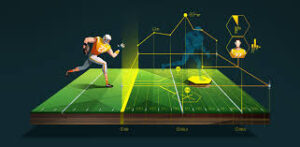
But, the use of analytics in activities is not without their limitations and honest challenges. While knowledge offers valuable insights, it can not fully record the human aspects of sports, such as for instance sentiment, impulse, and the volatile nature of competition. Moreover, some experts argue that an over-reliance on data can result in “paralysis by examination,” wherever teams become bogged down by data and eliminate sight of the liquid, spontaneous nature of the game. Furthermore, wearable engineering applied to check person health increases issues about privacy and consent. People may possibly experience uneasy concerning the possible misuse of their health knowledge, especially if it could impact contract negotiations or job opportunities. Balancing the benefits of activities analytics with regard for person solitude and the initial human facets of activities remains a continuing problem that needs careful consideration.